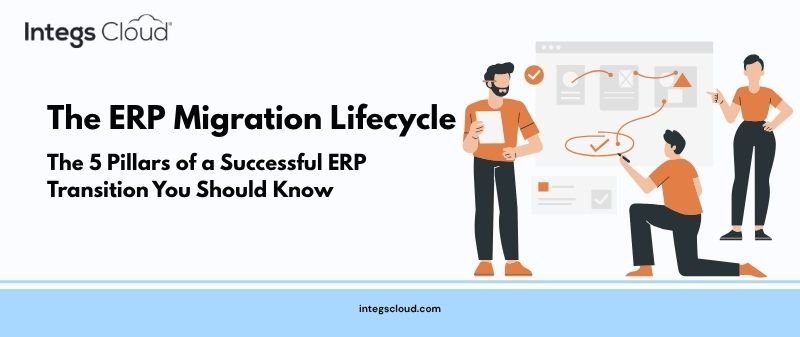
Enterprise Resource Planning (ERP) migration is a critical step for organizations looking to modernize their operations, improve efficiency, and support future growth. Whether transitioning from legacy software or consolidating multiple systems into a unified platform, ERP migration requires careful planning and execution. Without a structured approach, businesses may face data inconsistencies, operational disruptions, and user adoption challenges.
Working with experienced professionals, such as NetSuite ERP consultants, can help organizations navigate the complexities of migration while minimizing risks. Below are the key steps to ensure a smooth and successful ERP migration.
1. Start with Data Cleansing and Validation
One of the most important aspects of ERP migration is ensuring the quality of the data being transferred. Over time, businesses accumulate duplicate records, outdated information, incomplete entries, and inconsistent data formats. Migrating poor-quality data into a new ERP system can undermine the benefits of the implementation from day one.
Before migration begins, organizations should conduct a thorough data audit to identify and remove inaccuracies. This process includes:
- Eliminating duplicate customer, vendor, and inventory records.
- Correcting incomplete or outdated information.
- Standardizing data formats across all departments.
- Validating critical business data for absolute accuracy.
Why it matters: Data cleansing not only improves operational efficiency but also ensures better reporting and decision-making in the new ERP environment. Businesses that invest time in validation before migration often experience fewer post-implementation issues and a faster return on investment.
2. Develop a Detailed Data Mapping Strategy
Once data has been cleaned and validated, the next step is data mapping. Data mapping involves defining how information from the existing system will be transferred into the new ERP platform. This process ensures that every field, record, and transaction is accurately aligned with the structure of the new system.
A well-planned data mapping strategy helps prevent data loss and reduces errors during migration. Organizations should identify:
- Source and destination data fields
- Data transformation requirements
- Mandatory and optional fields
- Historical data migration needs
- Integration requirements with third-party applications
ERP platforms often have different data structures compared to legacy systems, making mapping a critical component of migration success. Experienced providers of NetSuite consulting services can help businesses develop a comprehensive mapping framework that supports operational continuity and data integrity.
3. Prioritize User Training During Migration
Technology adoption is often one of the biggest challenges during an ERP transition. Even the most advanced system can fail to deliver expected results if employees do not understand how to use it effectively.
User training should begin well before the ERP system goes live. Early involvement helps employees become familiar with new workflows, processes, and system functionalities. Training programs should be tailored to specific user roles and responsibilities, ensuring that employees receive relevant, hands-on experience.
Best Practices for ERP User Training:
- Conduct role-based training sessions.
- Provide access to testing and sandbox environments.
- Create comprehensive user guides and reference materials.
- Offer ongoing support after implementation.
- Identify internal champions to assist colleagues.
When users feel confident with the new system, organizations can significantly reduce resistance to change and accelerate productivity after deployment. Skilled ERP consultants often incorporate comprehensive training strategies into their implementation plans to support long-term success.
When users feel confident with the new system, organizations can significantly reduce resistance to change and accelerate productivity after deployment. Skilled ERP consultants often incorporate comprehensive training strategies into their implementation plans to support long-term success.
4. Minimize Business Disruption During the Transition
One of the primary concerns during ERP migration is maintaining normal business operations. Downtime, system outages, and process interruptions can negatively impact customer service, revenue generation, and employee productivity.
To minimize disruption, businesses should develop a detailed migration roadmap that includes timelines, milestones, testing procedures, and contingency plans.
| Strategy | Action Item |
| Timing | Schedule migration activities during off-peak business periods. |
| Testing | Conduct multiple rounds of testing before the official go-live date. |
| Rollout | Implement phased rollouts when appropriate instead of a “Big Bang” approach. |
| Safety Net | Maintain backup systems and comprehensive recovery plans. |
| Optimization | Monitor system performance closely immediately after launch. |
A phased migration approach often allows organizations to address issues incrementally rather than introducing significant changes all at once. Continuous communication with stakeholders throughout the process also helps manage expectations and ensure alignment across departments.
5. Partner with Experienced ERP Consultants
ERP migration involves technical, operational, and organizational challenges. Working with experienced consultants can significantly improve project outcomes by providing expertise in system configuration, data migration, customization, and user adoption.
Businesses seeking Oracle NetSuite ERP consultants or specialized implementation partners for platforms like Odoo can benefit from professional guidance throughout the migration lifecycle. Experienced consultants help identify potential risks, optimize system design, and ensure the implementation aligns with overall business objectives.
Additionally, ERP consulting services can assist with:
- Migration planning and strategy
- Data migration and validation
- Customization and integration
- User training and change management
- Post-implementation support
Conclusion
Migrating to a modern ERP platform is a significant investment that can deliver long-term operational benefits when executed correctly. Whether your organization is adopting NetSuite or Odoo, success depends on careful preparation, accurate data management, effective user training, and proactive risk mitigation.
By focusing on data cleansing, developing a strong mapping strategy, investing in employee training, minimizing business disruption, and leveraging expert ERP consulting services, businesses can achieve a smooth transition and maximize the value of their ERP investment. With the right approach, organizations can unlock the full potential of their new system to improve efficiency, enhance visibility, and support sustainable growth.